
Guides · Foundations · 2026
What is hiking? A plain definition
Hiking is walking a natural trail for its own sake. No engine, no fixed distance, no summit requirement.
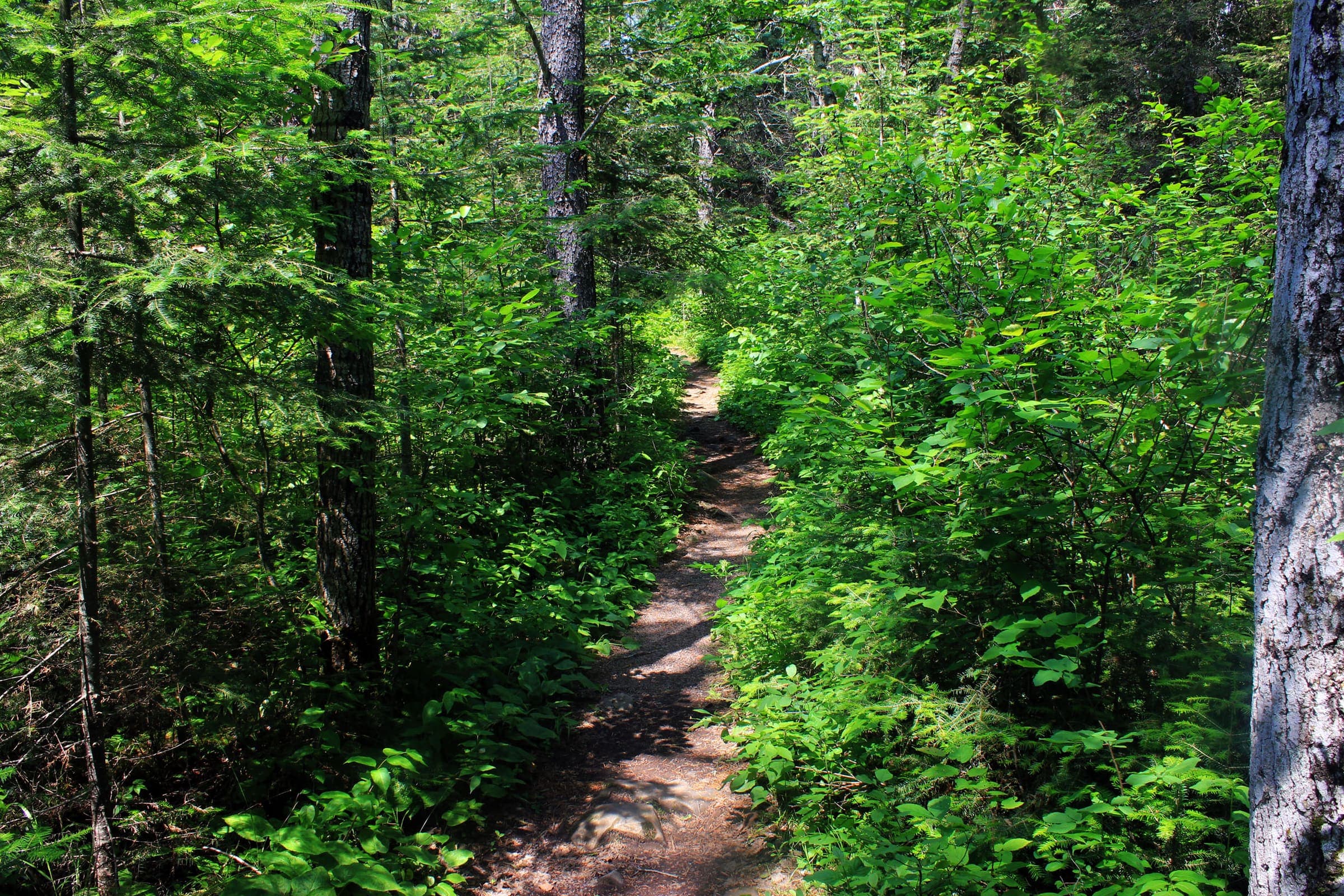
Hiking is walking on a natural trail — through forest, hill, coast, or mountain — for recreation, on foot, under your own power. That is the whole of it. The word carries no engine, no fixed distance, and no summit requirement. A two-hour loop through a pine wood and a two-week Himalayan crossing are both hiking.
Hiking vs. walking, trekking, and mountaineering
The boundaries are cultural more than technical, but they are usable:
- Walking is the everyday act — a pavement, a park, a commute. Hiking is walking whose point is the trail and the terrain, usually away from roads and traffic.
- Trekking generally means a multi-day hike, often point-to-point, often in remote country where you sleep in tents, huts, or villages along the way. Every trek is a hike; not every hike is a trek. Many of the long routes in this catalog — the Annapurna Circuit, Pin Parvati Pass, the Kang La Trail — are treks by this sense.
- Mountaineering begins where walking ends: where you need rope, ice axe, crampons, or technical climbing to go further. This is why the “base camp treks” in this catalog stop at base camp. A base-camp trek is a walk to where the mountaineering starts, not a climb.
We keep a fuller treatment of the fuzzy upper edge in where hiking ends.
Types of hike you'll meet here
- Day hike — out and back, or a loop, completed between dawn and dusk. Most of the Western Ghats fort trails and Dhauladhar day-walks in this catalog are day hikes.
- Multi-day / thru-hike — a continuous route walked over several days end to end.
- Section hike — one segment of a long route, done on its own.
- Out-and-back, loop, point-to-point — the three shapes a route can take. It matters for logistics: a point-to-point trek like Rupin Pass ends far from where it began, which changes how you get home.
How hard is a given hike?
Difficulty is not distance. A flat 20 km towpath is easier than a 6 km scramble up rock-cut steps. Where the data exists, this catalog records a terrain grade (the Swiss Alpine Club SAC scale, T1 easy hiking to T6 difficult alpine) alongside distance, ascent, and high point — so “hard” means something specific rather than a vibe. When we don't hold a sourced grade for a trail, we say so rather than guess.
This is a foundations note, not a route planner. Trail figures live on each trail's own record, with their sources and dates.
The Hiking World desk · 2026-09-21 · editorialAlso in this desk: Where hiking ends · Base camp treks explained · Hiking for beginners · How we verify.