
Guides · Foundations · 2026
Hiking for beginners: how to start
Pick a trail by difficulty, not distance. Start on T1. Grow into the marquee treks rather than leaping.
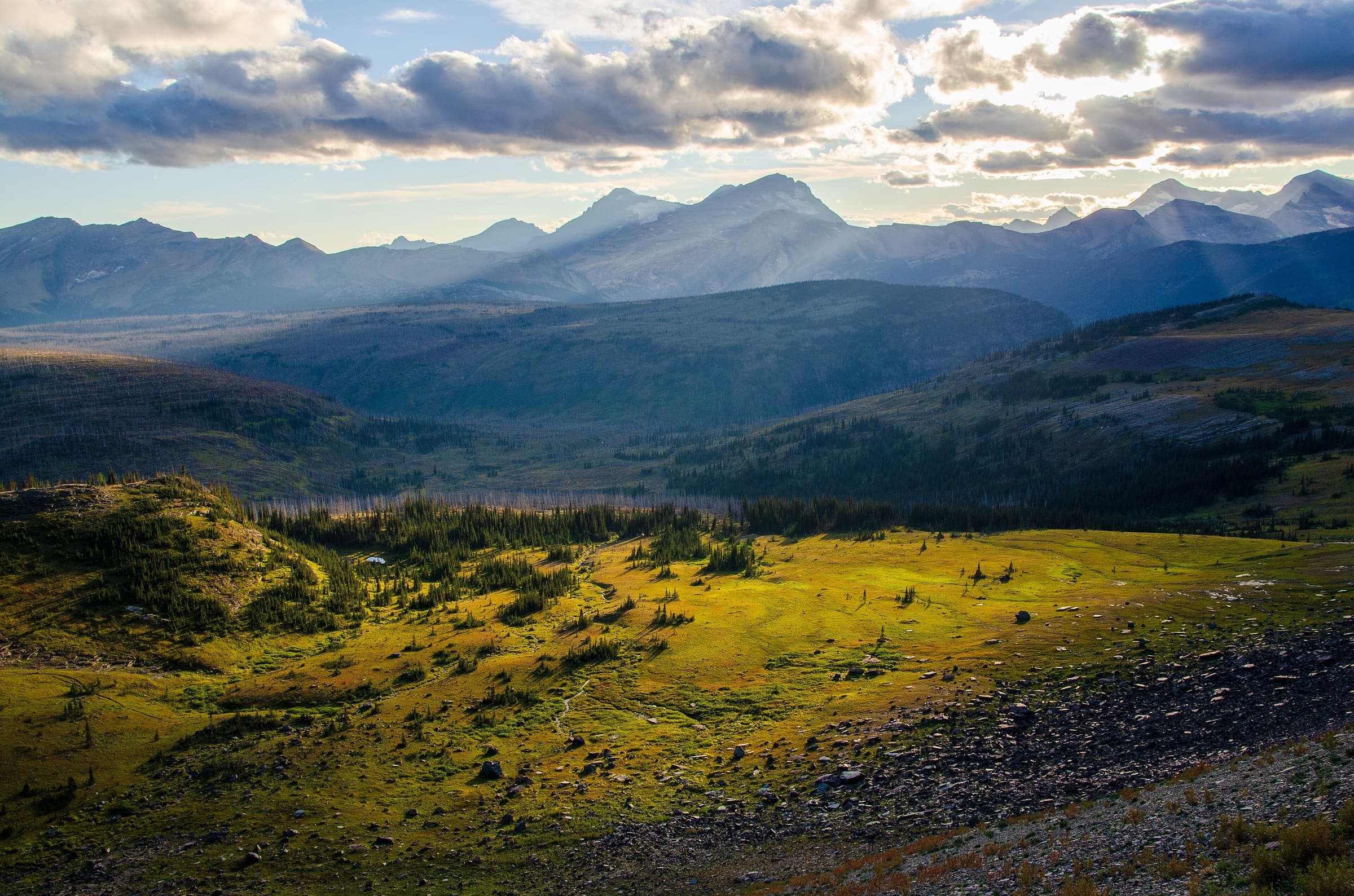
You don't need a base level of fitness to start hiking; you need to start on the right trail. Most bad first days come from choosing a route by its name or its view rather than by how hard it actually is.
Choose the trail by difficulty, not distance
Distance is the least useful number for a beginner. A flat 12 km lakeside path is a gentle afternoon; a 5 km climb up rock-cut steps is not. Judge a route by three things together:
- Ascent (elevation gain) — the real measure of effort. A rough beginner ceiling for a first few hikes is under ~500 m of gain.
- Terrain grade — where this catalog holds it, we record the Swiss Alpine Club SAC grade. T1 (easy hiking) and T2 (mountain hiking) are where beginners belong; T3 and above add exposure and scrambling. Start at T1.
- High point — altitude changes the game. Above roughly 2,500–3,000 m, thin air makes an easy grade feel hard, and acclimatization becomes a real concern (see the altitude note).
If a trail's record shows no sourced grade, treat that as “unknown,” not “easy.”
What a first hike is actually like
- Pace. Slower than you expect. A common rough planning figure is ~4 km/h on the flat, much less uphill; add time for every 100 m of climb. Turn around by a fixed time, not a fixed point.
- Effort. Steady, not sprinting. If you can't hold a conversation, ease off.
- Feet and weather decide the day more than fitness. Both are covered in gear, safety & Leave No Trace.
A short first-hike checklist
- A trail you've checked: distance, ascent, grade, and how you get back from the far end.
- Water (more than you think), and food.
- Footwear with grip; layers you can add and remove.
- A charged phone, a basic idea of the route, and someone who knows your plan and return time.
- A weather check that morning, and a willingness to turn back.
Build up, don't leap
Do a few T1 day hikes before a T2; do day hikes before a multi-day trek; do a trek near home before one at altitude or across a permit-gated border. The marquee treks in this catalog — Roopkund, Hampta Pass, Kumara Parvatha — are rewarding precisely because they ask more; grow into them.
Foundations note, not a route planner. Every trail's figures and their sources live on its own record.
The Hiking World desk · 2026-09-21 · editorialAlso in this desk: What is hiking? · Gear, safety & Leave No Trace · Himalayan altitude · How we verify.